Alguém me disse recentemente que sou uma das poucas pessoas que essa pessoa conhece que parece ter um ponto de referência.de felicidade. A maioria das pessoas que eles conhecem, incluindo eles próprios, estão estressadas, irritadas, ansiosas, sobrecarregadas, tristes, etc.
Isso me fez refletir: será que isso é realmente verdade? E se for, por que é verdade para mim?
E acho que é verdade. Definitivamente não estou feliz o tempo todo — tenho todas as emoções que qualquer outra pessoa tem — mas acho que meu estado de espírito...
Someone told me recently that I’m one of the only people they know that seems to have a baseline of happiness. Most of the people they know, including themselves, are stressed, angry, anxious, overwhelmed, sad, etc.
It made me start to reflect: is this actually true? And if so, why is it true for me?
And I think it is true. I’m definitely not happy all the time — I have all the emotions everyone else has — but I do think my baseline is one of happiness and peace.
Houve uma época na minha vida em que eu era viciado em comida não saudável, fast food e comidas reconfortantes. Hoje em dia, ainda aprecio o sabor desses alimentos, mas nada se compara ao sabor de alimentos integrais e saudáveis.
A mudança para mim foi gradual, não instantânea. Também foi intencional. E estou muito feliz por ter feito a mudança.
Hoje em dia, minha alimentação é basicamente à base de plantas (sou vegana): feijão, nozes, sementes, lentilhas, tofu e tempeh, grãos integrais, muitos vegetais e muitas frutas. E é uma delícia.
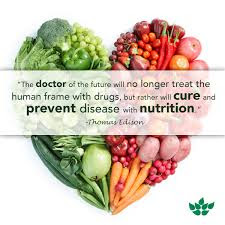
There was a time in my life when I was addicted to junk food, fast food, comfort foods. These days, I still enjoy the taste of those foods, but nothing tastes as good as healthy, whole foods.
The switch for me was gradual, not instant. It was also intentional. And I’m so glad I made the change.
These days, I eat mostly whole plant foods (I’m vegan): beans, nuts, seeds, lentils, tofu and tempeh, whole grains, lots of veggies, lots of fruit. And it’s delicious.
I also mostly cut out sugar and fried foods, and completely...
As nossas vidas estão repletas de tanta informação que tudo pode parecer ruído — e-mails, mensagens, tarefas, reuniões, notícias, redes sociais e muito mais. Ficamos sobrecarregados e, muitas vezes, desligamos ou evitamos o que está a acontecer.
Muitas prioridades, muita informação, muitos estímulos, muito ruído.
O segredo é encontrar o sinal no meio de todo este ruído.
O ruído é tudo o que parece urgente, ou todas as coisas que chegam. Pode tornar-nos reativos quando agimos com base nele.
Our lives are filled with so many inputs, it can all just feel like noise — emails, messages, tasks, meetings, news, social media and more. We get overwhelmed, and often shut down or avoid.
Too many priorities, too much information, too many inputs, too much noise.
The secret is to find the signal in all this noise.
The noise is everything that feels urgent, or all the incoming stuff. It can make us reactive when we’re acting on the noise.
The signal is the stuff that actually matters. It’s the stuff that...
Lately I’ve been exploring ideas around how to bring more simplicity to taking action, tackling tasks, doing everything I have to do in a day.
It can be so overwhelming, we procrastinate, we overcomplicate.
What if it could be simple?
In this article, I’ll share some ideas I’ve been exploring to bring more simplicity to everything I do in my day. The ideas won’t work for everyone, but I hope they’re valuable to you in some way.
1. Completing the Moment
One thing I’ve been noticing is how often I’ll rush from one thing to...
Ultimamente, tenho explorado ideias sobre como simplificar a execução de tarefas e a realização de tudo o que preciso de fazer no dia a dia.
Pode ser tão avassalador, acabamos por procrastinar e complicar demasiado.
E se pudesse ser mais simples?
Neste artigo, irei partilhar algumas ideias que tenho explorado para simplificar tudo o que faço diariamente. As ideias podem não funcionar para todos, mas espero que sejam úteis de alguma forma.
1. Concluindo o Momento
Uma coisa que tenho notado é a frequência com que corro de uma...
A maioria de nós não gosta de se considerar julgadora... não é uma sensação agradável ser crítico! Mas não querer ver o julgamento apenas o afasta da nossa consciência.
Ele torna-se um ponto cego para muitos de nós.
Se estiver interessado em analisar onde pode estar a julgar os outros, aqui estão alguns pontos a examinar honestamente:
Irrita-se, frustra-se ou fica zangado com frequência com as outras pessoas? Por detrás desta irritação ou frustração, existe provavelmente um julgamento sobre as mesmas.
Faz fofocas sobre os outros? Faz comentários sobre eles nas...
Most of us don’t like to think of ourselves as judgmental … it doesn’t feel nice to be all judgy! But not wanting to see the judgment only pushes it out of our awareness.
It becomes a blind spot for many of us.
If you’re interested in looking at where you might have judgment of others, here are some places to look honestly:
Are you often irritated, frustrated, angry with other people? Underneath this annoyance or frustration is probably a judgment about them.
Do you gossip about others? Make comments about them behind their backs?...
Muitas pessoas hoje em dia sentem-se perturbadas, distraídas e exaustas com as notícias. É o estado em que o nosso mundo se encontra, e não é fácil lidar com ele.
Mas não acompanhar as notícias não parece uma boa opção. Fiz isso durante alguns anos — simplesmente não lia nem via as notícias, exceto uma vez a cada um ou dois meses, quando tentava pôr-me em dia. Para a maioria das pessoas, isto não parece responsável.
Sinto-me sortudo por conseguir agora acompanhar as notícias, mas manter-me relativamente equilibrado. Claro...
How to Follow the News Without Getting Overly Upset
2026-02-07
How to Follow the News Without Getting Overly Upset
By Leo Babauta
Post on February 7, 2026
Lots of people these days are feeling upset, distracted, exhausted by the news. It’s the state our world is in, and it’s not easy to deal with.
But not following the news doesn’t feel like a good option. I did that for a few years — I just wouldn’t read or watch the news, except once every month or two, when I’d try to catch up. For most people, that doesn’t seem responsible.
I feel lucky in that I’m now able to follow the news but stay relatively grounded. I get upset...
Discipline & Courage Training: Face What You Avoid Every Day
2026-01-26
Discipline & Courage Training
Face What You Avoid Every Day
By Leo Babauta
Post on December 25, 2025
One of the biggest changes people want to make is some form of having more discipline — sticking to habits, doing the tasks you’ve been procrastinating on, being more focused when you work, tackling all of those things you’ve been avoiding.
But how do we get more discipline? Is there a magical Discipline Fairy, or is it just what we’re born with, or can we actually increase it?
I’ve found that we can increase our discipline with training — and here I’m defining “discipline” as the capacity to face the things...
Treino de Disciplina e Coragem - Enfrente aquilo que evita todos os dias
2026-01-26
Treino de Disciplina e Coragem
Enfrente aquilo que evita todos os dias
A Chave para a Simplicidade
Por Leo Babauta
Tradução a 26 de janeiro de 2026
Uma das maiores mudanças que as pessoas desejam fazer é desenvolver mais disciplina — manter hábitos, realizar as tarefas que têm vindo a procrastinar, concentrar-se melhor no trabalho, enfrentar todas aquelas coisas que têm vindo a evitar.
Mas como podemos ter mais disciplina? Existe uma fada mágica da disciplina, ou é algo com que já nascemos, ou podemos realmente melhorá-la?
Descobri que podemos aumentar a nossa disciplina com o treino — e aqui defino "disciplina" como a capacidade...
Com o ano a chegar ao fim, simplificar pode ser uma experiência maravilhosa — um ato de desprendimento, como se deixássemos o ano que passou para trás.
É uma libertação do passado, abrindo espaço para o que está para vir. Ou simplesmente para ter uma vida mais simples.
Neste artigo, vou partilhar algumas das minhas formas favoritas de simplificar, mesmo que não tenha muita energia para se desfazer de tudo o que não precisa.
Comece por se lembrar que a vida já é suficiente. Sente-se...
Para objetivos de longo prazo, como metas oumudança de hábito, uma das coisas mais importantes que podemos desenvolver para nos ajudar a ter sucesso éresiliência: a capacidade de se recuperar decontratempose lutas.
É inevitável que nos desviemos do caminho. Teremos dias ruins, ficaremos desanimados com o fracasso, deixaremos de praticar um hábito... tudo isso é esperado, faz parte do processo.
Não se trata de saber se vamos nos desviar do caminho ou nos desanimar — é uma questão de quando . E...
For long-term pursuits like goals or habit change, one of the most important things we can develop to help us succeed is resilience: the ability to bounce back from setbacks and struggles.
It’s inevitable that we’ll get knocked off course. We’re going to have bad days, we’ll get discouraged from failure, we’ll miss days of doing a habit … all of this is expected, par for the course.
It’s not about whether we’ll get knocked off course or discouraged — it’s a matter of when. And when that happens,...
Há uma ótima citação de Blaise Pascal que diz: “Todos os problemas da humanidade provêm da influência do homem. incapacidade de sentar-se quieto em uma sala sozinho.”
Acredito que há muita verdade nisso. E acredito que nesta citação está a chave para viver uma vida simples. Escute-me!
O que acontece se você não consegue ficar sentado sozinho
Vamos primeiro falar sobre como a citação é verdadeira…
Se você não consegue ficar sentado sozinho em silêncio em uma sala , então podemos imaginar:
Você sempre precisará se entreter, se distrair,...
Muita coisa se torna possível quando simplesmente aparecemos regularmente.
Algumas das melhores pessoas que conheci são aquelas que simplesmente se mostram presentes para os outros, regularmente. Elas aparecem, cuidam das coisas, fazem o melhor que podem. E a vida de outras pessoas muda.
Quando estamos enfrentando dificuldades em nossas vidas, muitas vezes é difícil estar presente nelas.
Então, hoje, vou recomendar a ideia de criar o hábito simples de aparecer. Simples, mas claro que nem sempre é fácil.
Se você puder aparecer regularmente, as coisas começarão a mudar.
Muita coisa se torna possível quando simplesmente aparecemos regularmente.
Algumas das melhores pessoas que conheci são aquelas que simplesmente se mostram presentes para os outros, regularmente. Elas aparecem, cuidam das coisas, fazem o melhor que podem. E a vida de outras pessoas muda.
Quando estamos enfrentando dificuldades em nossas vidas, muitas vezes é difícil estar presente nelas.
Então, hoje, vou recomendar a ideia de criar o hábito simples de aparecer. Simples, mas claro que nem sempre é fácil.
Se você puder aparecer regularmente, as coisas começarão a mudar.
So much becomes possible when we just show up regularly.
Some of the best people I’ve known are people who just show up for others, regularly. They show up, take care of things, do their best. And the lives of others get changed.
When we’re struggling with our lives, often it’s a struggle to show up for our lives.
So today, I’m going to recommend the idea of building the simple habit of showing up. Simple, but of course not always easy.
If you can show up regularly, things will start to change.
Embracing a Slow Life: A Gentle Approach to Productivity
2025-08-07
Embracing a Slow Life: A Gentle Approach to Productivity
By Leo Babauta
Posted on August 7, 2025
A lot of times people want to be more productive in their lives, and in that quest, they push themselves hard. Do more, get on that task list, clear out the email inbox, crush life.
The problem with that is that it abandons our human-ness. We are trying to become productive robots, but what about living a good life?
On the other side of the spectrum, sometimes people want to completely abandon productivity for comfort. In that direction, we get avoidance and a life that might lose its aliveness and creativity. So...
A maneira como falamos conosco mesmos realmente importa
2025-07-28
A maneira como falamos conosco mesmos realmente importa
Por Leo Babauta
Traduzido a 28 de julho de 2025
Uma das maiores coisas que tem poder sobre nossas vidas é algo que a maioria das pessoas desconhece de — como falamos conosco mesmos. É invisível e, portanto, somos impotentes diante dele, e nem percebemos o quanto ele tem poder sobre nós.
Nós falamos conosco mesmos de maneiras muito negativas, e isso faz uma diferença enorme:
Estressando a nós mesmos : olhamos para uma situação e então dizemos a nós mesmos que ela é terrível, assustadora, difícil! Basicamente, nosso diálogo interno aumenta o estresse da situação. Em vez de nos tranquilizarmos...
One of the biggest things that has power over our lives is something that most people are unaware of — how we talk to ourselves. It’s unseen, and therefore we’re powerless to it, and don’t even realize how much power it has over us.
We talk to ourselves in really negative ways, and it makes such a huge difference:
Stressing ourselves out: We look at a situation and then tell ourselves that it’s terrible, scary, hard! Basically, our inner dialog escalates the stress of the situation. Instead of reassuring ourselves that we’ve got...
Equilibrar a melhoria a longo prazo com a felicidade a curto prazo
2025-07-13
Equilibrar a melhoria a longo prazo com a felicidade a curto prazo
Por Leo Babauta
Traduzido a 12 de julho de 2025
Existe um dilema antigo quando se trata de tentar melhorar de vida: como focar no objetivo a longo prazo e, ao mesmo tempo, aproveitar a vida agora?
Muitas vezes, pode parecer uma troca — devia ir ao ginásio (ou estudar, escrever, trabalhar naquele projeto difícil, etc.)... mas também quero relaxar, descontrair a ver televisão, comer donuts, jogar videojogos, etc.
Devo divertir-me agora ou fazer o que é bom para o meu futuro? Devo trabalhar arduamente e depois receber a recompensa, ou esquecer as coisas difíceis...
Balancing Long-Term Improvement with Short-Term Happiness
2025-07-12
Balancing Long-Term Improvement with Short-Term Happiness
By Leo Babauta
Posted on July 12, 2025
There’s an age-old dilemma when it comes to trying to improve your life: how do you focus on the long-term goal while also enjoying life right now?
It can often feel like a trade-off — I should go to the gym (or study, write, work on that hard project, etc.) … but I also want to relax, veg out while watching TV, eat donuts, play video games, etc.
Should I enjoy myself now, or do what’s good for my future? Should I work hard and then get the reward, or forget about the hard...
Most people become flustered or frustrated when things don’t go according to plan. I’ve felt this way myself — I have a plan for the day, and all kinds of things come up to get in the way of that plan, and it can feel really frustrating.
This is the result of a lack of flexibility in our mindset. It’s natural to have a lack of flexibility — we really want things to go according to our plan, it helps us to feel like we’re in control and there’s order to our lives. Unfortunately, we rarely have...
Whether it’s personal relationships, rude people, or crazy things happening in the world … we all get emotionally triggered sometimes. We get frustrated, angry, hurt, shut down, and so on.
The question isn’t “will I ever get triggered?” … it’s “what can I do when I get triggered?” This will be a quick guide.
The first thing is to notice that you’re triggered — your nervous system is activated and you’re upset. A lot of people don’t notice. They just take action in an angry or panicky way, which doesn’t usually lead to the best outcomes....
I’ve been talking to a lot of people lately who feel depleted, and not energized or motivated in the work they’re doing. They feel more irritated at others, and feeling like everything is a burden.
This is how it feels when your cup is empty. You’ve given a lot, you’ve served others, but now you’re feeling resentful or battered by it all.
How do we deal with this? Do we just power through? Do we give ourselves positive affirmations? Do we shut it all down and remove ourselves from society?
Most people have only a hazy idea of how to motivate themselves. Getting ourselves to do something we know we want to do — a big project, exercise, etc. — can be really hard.
But actually, the way motivation works is pretty straightforward physics. We’re talking about things like force and inertia, not quantum mechanics.
Let’s take a look at how motivation works, so we can understand how to put it into effect.
Inertia vs. Energy
The first thing to understand is that there’s always an initial hurdle to overcome when you want to get started (or...
A maioria das pessoas tem apenas uma vaga ideia de como se motivar. Conseguir fazer algo que sabemos que queremos fazer — um grande projeto, exercício, etc.
Mas, na verdade, a forma como a motivação funciona é uma física bastante simples. Estamos a falar de coisas como a força e a inércia, não de mecânica quântica.
Vamos dar uma vista de olhos a como funciona a motivação, para que possamos perceber como colocá-la em prática.
Inércia vs. Energia
A primeira coisa a compreender é que há sempre um obstáculo inicial a...
Everyone has resistance to difficult tasks, conversations, and habits. It’s a moment when you feel like turning away from something … and then more often than not, you turn away from it.
This is a sacred moment. I’d love to share more.
In this moment of resistance, you’re simply feeling fear. You rarely recognize it as fear — it can feel like anxiety, dread, overwhelm, boredom, frustration. But at a deeper level, it’s simply fear.
If we go below the label of “fear” … it’s simply sensation in our bodies. It’s an...
Eating healthy is something I’ve been a bit obsessed with for the last couple of decades, and I’ve transformed my eating in some really fundamental ways:
I eat way less junk food than before
I have developed a real love for whole, nutritious foods
I’m vegan (for ethical reasons)
I don’t often eat to comfort myself (sometimes I do)
When I do eat comfort foods, I’m no longer harsh with myself
These are huge transformations for me, and they’ve changed my health and my mindset towards health.
When things are changing rapidly, and an overwhelming number of things are coming at you, it can be tough to navigate.
Anyone who is up to anything big will have a lot going on. Lots of emails and messages, lots of tasks, lots of meetings and calls, lots of things changing every day. Lots of uncertainty.
How do we navigate the uncertainty of all of this?
The visual metaphor that works for me is surfing. I’m going to talk about how to surf uncertainty, and how to learn to surf uncertainty.
Most of us live in about 8% of our body most of the time — the head. Even though we have a lot of body beneath the head, we forget about that most of the day.
We’re on our screens, doing work, consuming content, messaging. We’re distracted, worried, ruminating. We’re overthinking, building up a case against someone, or watching video after video.
There’s nothing wrong with this, it’s a very human thing. But what would it be like to live more fully in our bodies? We might call this, “Embodied Living.”
Embarrassment is an Integral Part of the Growth Process
2023-05-25
Embarrassment is an Integral Part of the Growth Process
By Leo Babauta
Posted on May 8, 2023
A well-known climbing coach said that the biggest obstacle in the way of people’s growth as climbers is, basically, fear of embarrassment.
When people want to get better at climbing, they try to do it privately, so that no one can see them doing things badly. They’ll go to the climbing gym when no one is watching, or hang out in a corner hoping no one is looking. But they’re missing out on the biggest opportunity — feedback from people who can see things they can’t see.
One of the things that really humbled me in recent years is the realization that I am often only halfway in on anything I do. I’m rarely ever really all in.
For example, I might join a coaching program with the idea of trying it out, but not really sure if I can do it. Then when things start to get hard or overwhelming … I might be looking for the exit door, or hiding so I don’t have to be embarrassed. This is being halfway in, with an eye on the exit.
Creating a new habit like meditation, journaling or exercise isn’t incredibly complicated — at the most basic level, you tie the habit to a trigger that’s already in your life, start small, and find ways to encourage yourself to remember it and actually do it.
But it becomes a much more complicated and much messier ordeal because:
We have resistance;
We give in to the resistance;
We feel bad about ourselves as a result; and
We make that meaningful, get discouraged, and let that derail us.
For those of us who find ourselves constantly busy and doing, it’s often hard to imagine a more effortless life.
Life is striving, pushing to make things happen, trying to catch up, overcoming inertia, trying to stay on top of things. An approach called “non-effort” might seem a bit nonsensical.
But if this is you, notice how tense you are most of the day. Your jaw might be sore from clenching, your torso is tight, you are tired from so many activities, everything might seem like a struggle or marathon.


 del.icio.us